Climate change is disrupting the already scarce water resources of the Western United States.
Research by scientists from the Union of Concerned Scientists and University of California, Merced, finds that, across the western United States, climate change has reduced snowpack by 36 percent and streamflow by 13 percent, and has increased irrigation demand by 4.3 percent. Roughly half of these impacts is attributable to the emissions of the largest fossil fuel companies and cement manufacturers. Emissions from these companies can also be traced to a tenth of the observed groundwater loss in California’s Central Valley.
The economic consequences of climate-driven disruptions to the water cycle are tremendous—and too often, states and cities are left covering the billions of dollars in related expenses. These findings underscore the dire need for the fossil fuel industry to pay its fair share as communities are forced to adapt to this new climate reality.
Downloads
Citation
Phillips, C. A., J. Pablo Ortiz-Partida, Angel S. Fernandez-Bou, and L. Delta Merner. 2026. Wringing the West Dry: How Fossil Fuel Companies Drive Water Scarcity in the Western United States. Cambridge, MA: Union of Concerned Scientists. https://doi.org/10.47923/2026.16182
Related resources
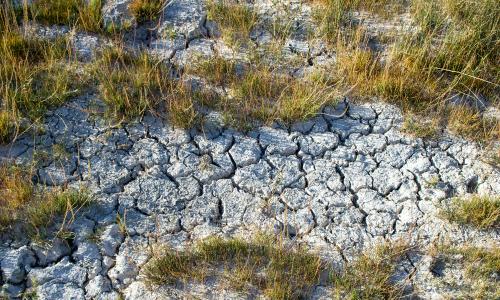
Carbon Emissions Exacerbating the Western US Water Crisis

Research Priorities for Climate Litigation
New England’s Offshore Wind Solution