Table of Contents
Benefits of Renewable Energy Use
All energy sources have some impact on our environment. Fossil fuels—coal, oil, and fossil gas—do substantially more harm than renewable energy sources by most measures, including air and water pollution, damage to public health, wildlife and habitat loss, water use, land use, and heat-trapping emissions.
However, renewable sources such as wind, solar, geothermal, biomass, and hydropower also have environmental impacts, some of which are significant.
The exact type and intensity of environmental impacts varies depending on the specific technology used, the geographic location, and a number of other factors. By understanding the current and potential environmental issues associated with each renewable energy source, we can take steps to effectively avoid or minimize these impacts as they become a larger portion of our electric supply.

Environmental Impacts of Wind Power
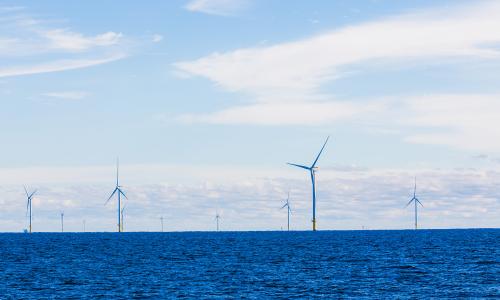
Wind power
Harnessing power from the wind is one of the cleanest and most sustainable ways to generate electricity as it produces no toxic pollution or global warming emissions. Wind is also abundant, inexhaustible, and affordable, which makes it a viable and large-scale alternative to fossil fuels.
Despite its vast potential, there are a variety of environmental impacts associated with wind power generation that should be recognized and mitigated. They include land use issues and challenges to wildlife and habitats
Environmental Impacts of Solar Power
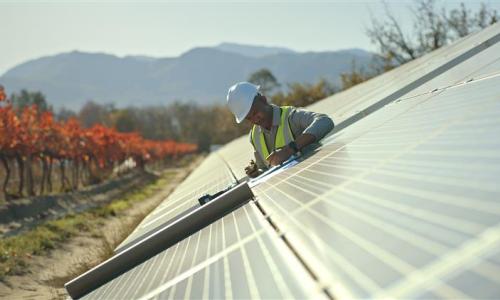
Solar power
Like wind power, the sun provides a tremendous resource for generating clean and sustainable electricity.
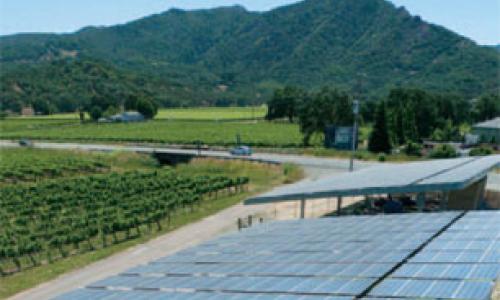
The environmental impacts associated with solar power can include land use and habitat loss, and the use of hazardous materials in manufacturing, though the types of impacts vary greatly depending on the scale of the system, the location, and the technology used—photovoltaic (PV) solar panels or concentrating solar thermal plants (CSP).

Environmental Impacts of Geothermal Energy
Geothermal energy
The most widely developed type of geothermal power plant (known as hydrothermal plants) are located near geologic “hot spots” where hot molten rock is close to the earth’s crust and produces hot water.
In other regions enhanced geothermal systems (or hot dry rock geothermal), which involve drilling into the earth’s surface to reach deeper geothermal resources, can allow broader access to geothermal energy. Geothermal plants also differ in terms of the technology they use to convert the resource to electricity (direct steam, flash, or binary) and the type of cooling technology they use (water-cooled and air-cooled). Environmental impacts differ depending on the approaches used.
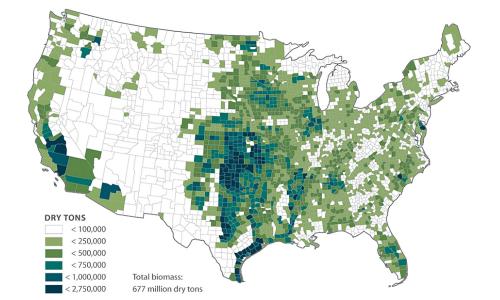
Biomass Resources in the United States
Biomass for electricity
Biomass power plants share some similarities with fossil fuel power plants: both involve the combustion of organic material to generate electricity. That means biomass plants raise similar, but not identical, concerns about air emissions and water use as fossil fuel plants. However, the feedstock of biomass plants is considered a renewable energy source and can be sustainably produced and regrown over a relatively short period of time, while fossil fuels are non-renewable.
Sources of biomass resources for producing electricity are diverse, including energy crops (like switchgrass); agricultural residues; manure; residues from paper mills, logging, and other forest industry activity; and urban waste. Both the type of feedstock and the manner in which it is developed and harvested significantly affect land use and life-cycle global warming emissions impacts of producing power from biomass.
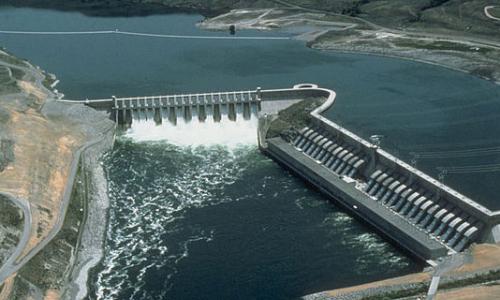
Environmental Impacts of Hydroelectric Power
Hydroelectric power
Hydropower includes massive hydroelectric dams, small run-of-the-river plants, and everything in between. Additional large-scale hydroelectric dams are unlikely to be built in the United States because of environmental concerns.
Instead, the future of hydropower in the United States will likely involve increased capacity at current dams and new run-of-the-river projects. There are environmental impacts at both types of plants, but impacts can be reduced or avoided by making modifications to comply with low-impact certification programs.
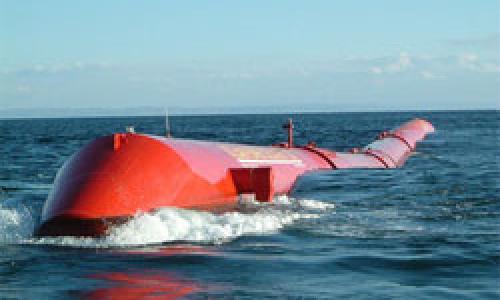
Environmental Impacts of Hydrokinetic Energy
Hydrokinetic energy
Hydrokinetic energy, which includes wave and tidal power, encompasses an array of energy technologies, many of which are still in the experimental stages or in the early stages of deployment. While actual impacts of large-scale operations have not been observed, a range of potential impacts can be projected.
Related resources

How Offshore Wind Lowers Prices

When Renewables Passed 25%

Wisconsin’s Power Plant Loopholes