All science & democracy resources
Report
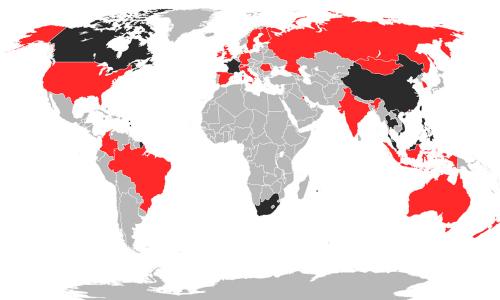
SARS: A Pandemic Prevented
The U.S. response to the SARS epidemic of 2002-03 is a good example of the partnership between science and democracy working effectively.
Activist Resource

Improving Access to Government Scientific Information
This is the first in the Lewis M. Branscomb Science Democracy Forum series. It set out to identify and advocate for ways to improve access to governmental scientific information.
Report
Got Science? Not at News Corporation
Representations of climate science on Fox News Channel and in the Wall Street Journal opinion pages are overwhelmingly misleading
Explainer

Science and Democracy in the United States
Science and democracy have been inseparable since our nation was born. Here are some of the highlights of their paired story.
Report

A Climate of Corporate Control
When corporations use their influence to obscure science and block effective climate policy, the public loses.
Report

Drug and Medical Device Companies Have Outsized Influence on FDA
As Congress decides the influence that pharmaceutical, biotech and medical device companies should have over the Food and Drug Administration (FDA), industry spends big.
Report

Voices of Scientists at the FDA
The FDA has gone far toward restoring confidence among agency scientists since 2006, but some issues persist.
Report
Heads They Win, Tails We Lose
Corporate influence is a key driver of the political interference that obstructs, distorts and suppresses federal science.
Report

Voices of Federal Food Safety Scientists and Inspectors
Undue influence by special interests and public officials routinely inhibits the ability of inspectors to protect our food supply.
Case Study
FDA Medical Device Approval Based on Politics, Not Science
FDA scientists have called public attention to systemic political interference in the approval of medical devices.
Report

Freedom to Speak?: A Report Card on Federal Agency Media Policies
To assess the degree of freedom with which science is communicated at federal agencies, the Union of Concerned Scientists conducted an investigation of 15 federal regulatory and science agencies.
Case Study
Integrity of Public Toxics Database threatened by Interagency Review
In April 2008, the EPA granted greater control over a key chemical database to other federal agencies, allowing many with conflicts of interest to delay recording scientific assessments of the toxicological effects of chemicals.