All transportation resources
Report

Automaker Rankings 2014
Hyundai-Kia is 2014's Greenest Automaker, though all automakers have improved their environmental performance.
Report

Turning Agricultural Residues and Manure into Bioenergy
Leftover crop materials and manure can help provide clean energy—but it’ll take the right policies, practices, and investments.
Video

The US Military and Oil
The US military uses more oil than any other institution in the world—but it’s also a leader in clean vehicle technology.
Explainer

Cleaning Up California’s Freight System
California’s freight system is an integral part of the US economy—but it needs modernization.
Explainer

Heavy-Duty Truck Fuel Efficiency
Heavy-duty trucks make up 7 percent of all vehicles on US highways, yet consume more than 25 percent of the oil.
Explainer
The Truth about Ethanol
Ethanol is a key ingredient in today's gasoline—but the promise of ethanol as an oil and climate solution depends on how it’s made and what it’s made from.
Report
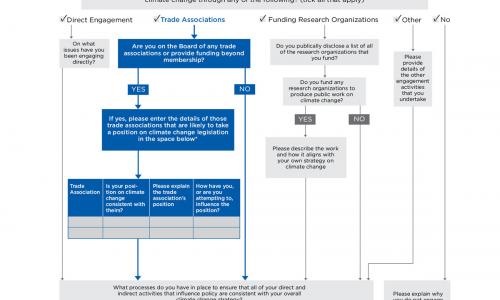
Tricks of the Trade
When trade groups work to block effective climate policy, we need to hold their member companies accountable. Current policies make this harder than it should be.
Feature
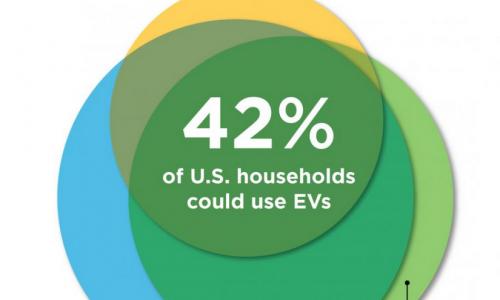
Millions of People Could Use an Electric Vehicle
Based on a 2013 survey by Consumers Union and UCS, 42 percent of US households could use an electric vehicle.
Feature
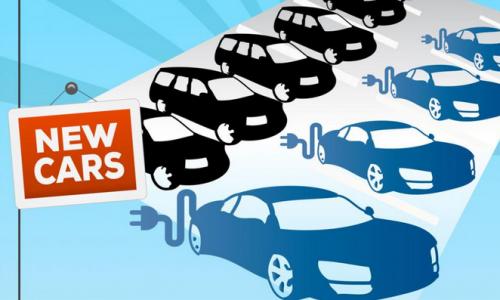
Electric Vehicles — Oil Savings in Action
Electric cars are cheap to fuel, increasingly available, and could save the US 1.5 million barrels of oil per day.
Feature
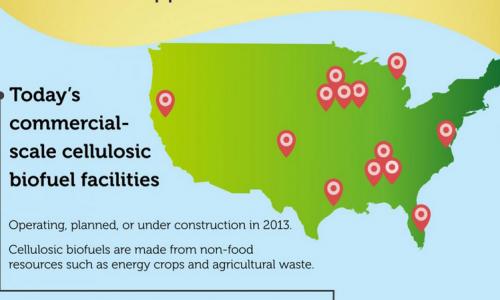
Better Biofuels
Discover the potential of cellulosic biofuels, which can help significantly reduce U.S. oil use.
Report

Fueling a Better Future
Cutting oil use can create jobs, reduce global warming emissions, and clean the air.
Feature
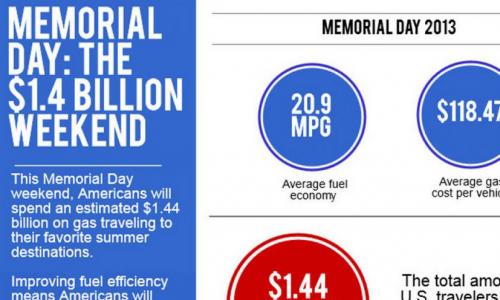
Memorial Day — The $1.4 Billion Weekend
US travelers will spend an estimated $1.44 billion on gas traveling to their favorite summer destinations over Memorial Day Weekend.