Our scientists and experts produce reports, peer-reviewed papers, interactive tools, and other resources as part of our advocacy. Search or browse our resource library below.
1468 items found
Report
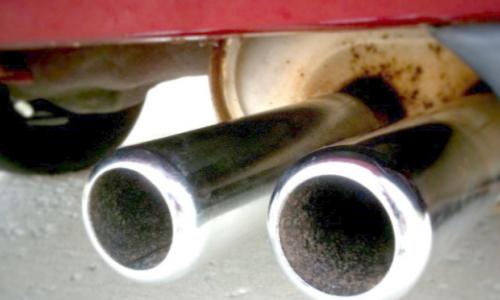
Setting the Standard
Cost-effective fuel economy standards nearing 40 mpg are possible with current and near-term technologies.
Report

Technology Options for Tractor-Trailers
Fact sheet describing some of the technologies available today that can be installed on trucks, or specified as options on new trucks, to improve fuel efficiency through better aerodynamics and reduced rolling resistance.
Report

Nuclear Power in a Warming World
The life cycle of nuclear power results in relatively little global warming pollution, but building a new fleet of plants could increase threats to public safety and national security.
Report

Biofuels: An Important Part of a Low-Carbon Diet
A report examining the importance of a comprehensive accounting system to measure global warming emissions over a transportation fuel’s entire life cycle.
Explainer

Existing Cap-and-Trade Programs to Cut Global Warming Emissions
Existing and cap-and-trade programs in the European Union and Northeastern and Western United States provide important lessons about the need for robust design features.
Report

Jobs, Energy, and Fuel Economy
We estimated the effect of moving existing technologies into cars and trucks with the modest goal of reaching a fleetwide average of 35 miles per gallon (mpg) by 2018.
Report

Confronting Climate Change in the U.S. Northeast
Impacts of climate change on the Northeast coast, marine resources, forests, agriculture, winter recreation, health, and water resources.
Report

New Nuclear Weapons: Reliable Replacement Warhead
Over the next several decades, the so-called Reliable Replacement Warhead (RRW) program would redesign and replace the entire U.S. nuclear arsenal with new warheads.
Report

Carbon Counts in the 2007 Renewable Fuel Standard
The Renewable Fuel Standard (RFS) included in the 2007 energy bill is a key first step toward reducing global warming pollution from our nation’s transportation fuels.
Explainer
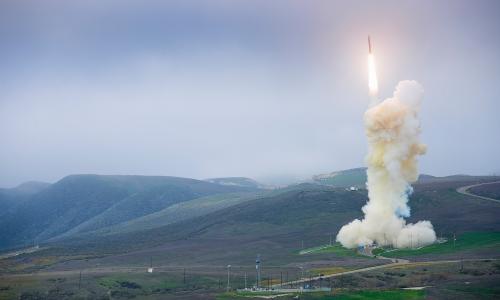
US Missile Defense Timeline
More than 50 percent of test intercepts have failed.
Report
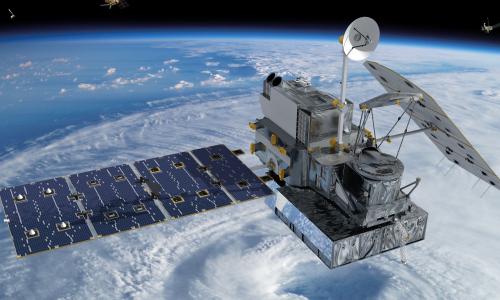
Space Debris from Anti-Satellite Weapons
Space debris is any human-made object in orbit that no longer serves a useful purpose. It includes defunct satellites, discarded equipment and rocket stages, and fragments from the breakup of satellites and rocket stages.
Activist Resource

How to Have an Effective Visit With Your Policy Maker
Tips and Tools for Activists--How to Have an Effective Visit With Your Policy Maker