Our scientists and experts produce reports, peer-reviewed papers, interactive tools, and other resources as part of our advocacy. Search or browse our resource library below.
1468 items found
Feature
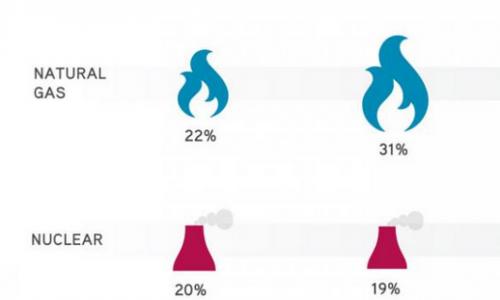
The Climate Risks of Natural Gas
Natural gas is not a long-term solution to climate change. A natural gas-dominated electricity system would continue to heat up the planet.
Feature

Fugitive Methane Emissions
Methane leaks from natural gas drilling sites and pipelines. These fugitive methane emissions are 34 times more potent than carbon dioxide at trapping heat.
Report
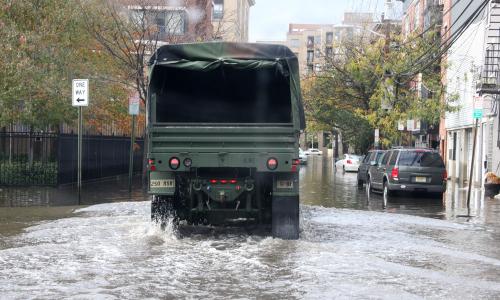
The Post-Sandy Resilience of Hoboken, New Jersey
A long history of sidelining science took a turn for the better when Hoboken's leaders decided to take an evidence-based approach in responding to 2012's Hurricane Sandy.
Report
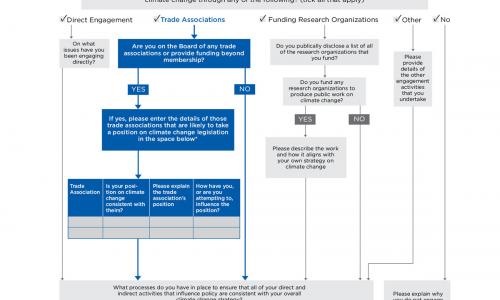
Tricks of the Trade
When trade groups work to block effective climate policy, we need to hold their member companies accountable. Current policies make this harder than it should be.
Report
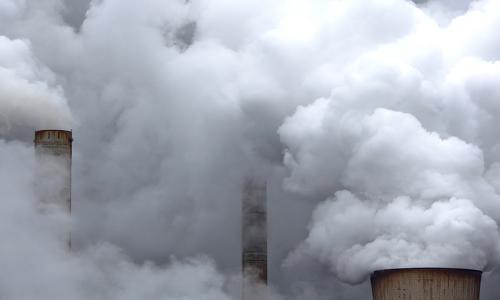
Burning Coal, Burning Cash — 2014 Update
In 2012, 37 states were net importers of coal and collectively spent $19.4 billion on coal imports.
Explainer

What Are Tar Sands?
Tar sands are an increasingly common—but expensive and dirty—source of oil.
Feature
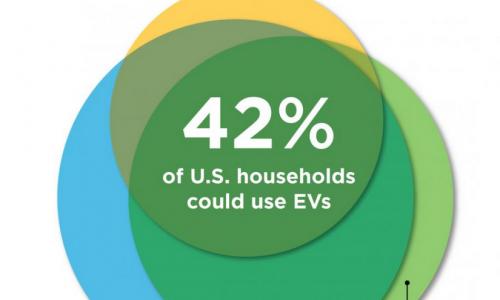
Millions of People Could Use an Electric Vehicle
Based on a 2013 survey by Consumers Union and UCS, 42 percent of US households could use an electric vehicle.
Report

Ripe for Retirement (Update)
The nation's fleet of coal plants continues to become less and less economically competitive.
Explainer
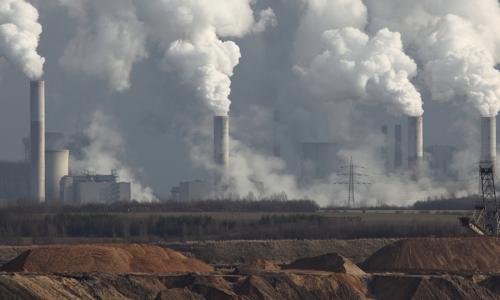
Largest Producers of Industrial Carbon Emissions
Learn which fossil fuel companies are most responsible for the heat-trapping carbon emissions that are warming the planet.
Explainer

Measuring the Role of Deforestation in Global Warming
Tropical deforestation accounts for about 10 percent of the world's heat-trapping emissions, equivalent to the tailpipe emissions of 600 million average U.S. cars.
Report

The Rise of Superweeds
Monsanto’s Roundup Ready products created a superweed crisis. Fortunately, science can solve it.
Report

Workshop on U.S. Nuclear Weapons Safety and Security
Policy recommendations from experts on nuclear weapons safety and security.