Effective participation in elections is at the heart of our political system, but not everyone is equally represented. Class and race disparities affect whether a person votes and how likely their ballot is to be counted—and inconsistent and inequitable rules exacerbate these inequities.
Groups that experience more institutional barriers throughout the voting process and who are less likely to have their ballots counted are underrepresented in the political process, and public policies are less likely to protect their health, safety, and well-being. It can be difficult to even access clear, usable data about turnout and ballot rejections.
Fortunately, there are active measures we can take to advance racial equity in elections. Better policies for ballot design, including expanding language and disability access, can decrease rejection rates. And more election data transparency—making sure key election data are clear, accessible, and usable—can help us better understand and alleviate these gaps.
On this topic
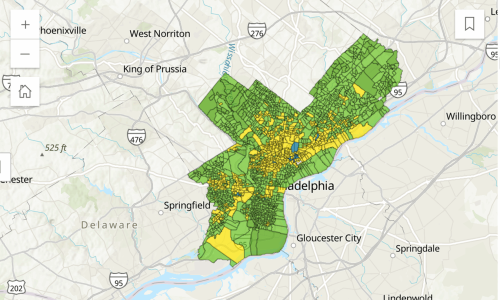
Interactive Map
Downloads
Citation
Gordon-Rogers, Liza, and Rose Nafa. 2026. Blocked from the Ballot Box: Structural Obstacles Depress Turnout, Exacerbate Ballot Rejections Across Racial Lines. Cambridge, MA: Union of Concerned Scientists. https://doi.org/10.47923/2025.15981.2
Related resources

UCS vs Anti-Science Actions

Fair Access
Advocating for Science During the August 2026 Congressional Recess