Federal scientists are doing the work to ensure the protections that Americans want and support: clean air and water; safe food and medicine; consumer products that won't harm us; and protection from extreme weather events like floods and droughts and other damaging effects of climate change.
Congress has empowered federal agencies to conduct scientific research to inform policy and decisions that affect people across the nation. The best science-informed policies rely on a basic principle: that science is independent and impartial. But government officials have sidelined science for political, financial, and/or ideological reasons---often leading to the weakening of health and safety protections, especially in the most vulnerable and marginalized communities across the United States
Despite progress on scientific integrity at agencies during previous administrations, a presidential memorandum could easily undo any progress made to protect science, data and findings, and scientists. Preventing federal scientists from providing critical scientific information to the public can endanger people's lives, especially during national emergencies. Thus, it is crucial that the US Congress codify scientific integrity into law and require all agencies to implement and enforce those laws.
The Scientific Integrity Act (H.R. 1106) is designed to ensure that agencies use robust and independent science in their decisionmaking processes, and that federal science and scientists are properly protected from inappropriate political influence in current and future presidential administrations.
Downloads
Related resources
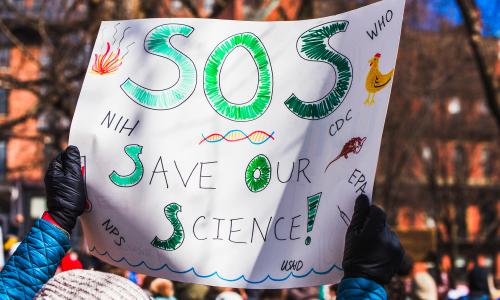
August Congressional Recess
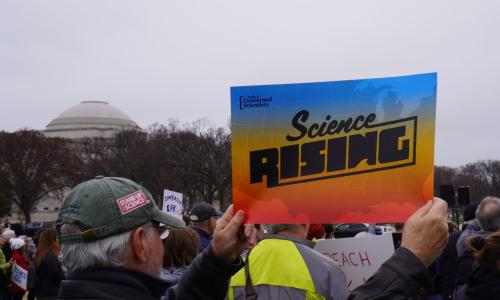
Advocating for Science During the August 2026 Congressional Recess

UCS vs Anti-Science Actions