Communities across the central United States are facing a harsh and dangerous reality: extreme weather events have caused all of the last decade's biggest blackouts, each time leaving hundreds of thousands of customers without power at the very moment it was needed most.
As climate change can exacerbate extreme events like thunderstorms, hurricane-driven rain, and snowstorms in the region, the need for science-based, proactive grid modernization is more pressing than ever. The responsibility to keep the lights on amidst this climate reality—and ensure that underlying energy injustices are not perpetuated—falls particularly on utilities, regional transmission organizations, and state leaders.
On this topic
Blog post
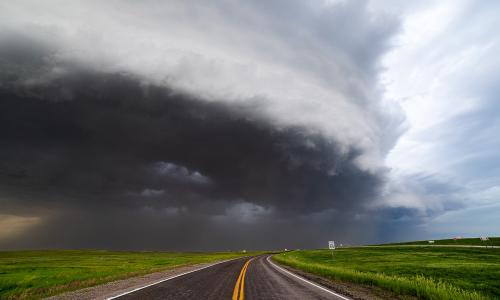
The Road to True Grid Resilience is Paved with Science and Community Voice
The reality of climate change is that we know enough to act.
Blog post

What a Decade of Outages Teaches Us About Where Resilience Must Begin
For the past ten years, the electricity grid in the central United States has been telling us a story quietly, consistently, and honestly, in the dark.
Blog post
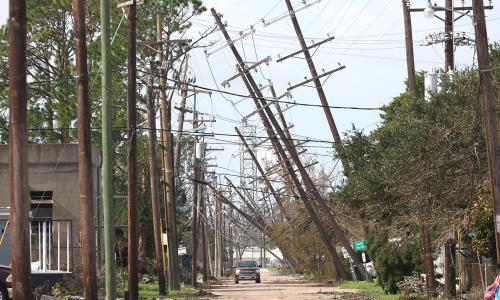
The 10 Worst Power Outages in the Central United States Since 2020
Grid resilience has been strained repeatedly over the past decade—with outages again and again followed by repair costs, again and again.
Related resources
Report
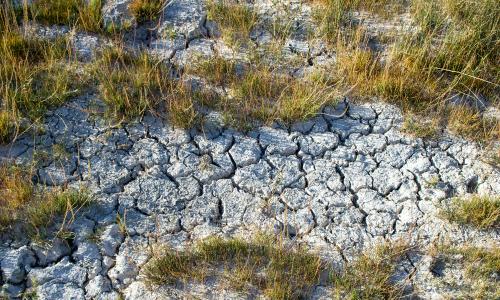
Carbon Emissions Exacerbating the Western US Water Crisis
In the western US, limited water supply and high demand—accentuated by anthropogenic climate change—have resulted in overallocated water resources and rapidly depleting groundwater.
Report
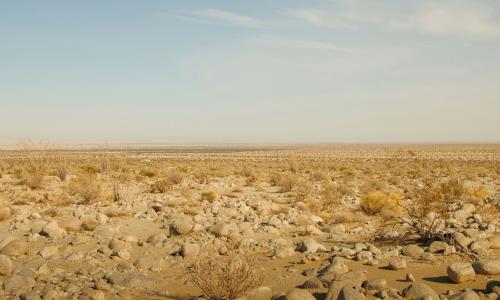
Wringing the West Dry
Climate change is disrupting the already scarce water resources of the Western United States.
Report

Research Priorities for Climate Litigation
Climate litigation continues to expand and mature, underscoring the importance of scientific evidence to support legal claims across the world.
Video

How Offshore Wind Lowers Prices
A dispatch curve demonstrates how renewable sources of energy, like offshore wind, can lower electricity prices by avoiding fuel costs.