All climate resources
Explainer
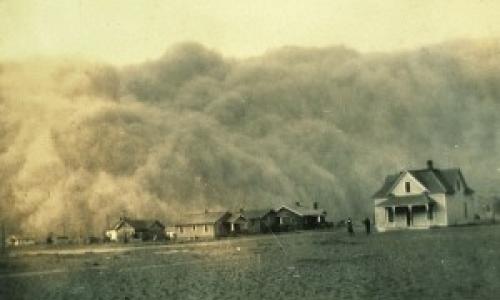
Crichton Thriller State of Fear
Separating fact from fiction in Michael Crichton's book "State of Fear" and clearing up misconceptions about the validity of global warming evidence.
Explainer

Early Warning Signs of Global Warming: Spring Comes Earlier
Both the overall warming and the disproportionate increase in minimum temperatures have contributed to a lengthening of the warm (growing) season, especially in mid- to-high latitudes.
Report
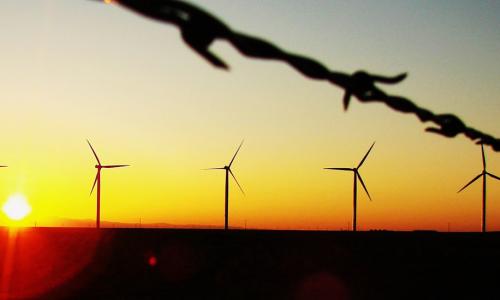
Increasing the Texas Renewable Energy Standard
The Texas RPS is one of the most effective and successful in the nation. It could be even better.
Report

Automaker Rankings '04
Honda continues to be the Greenest Automaker—but all automakers can improve.
Report
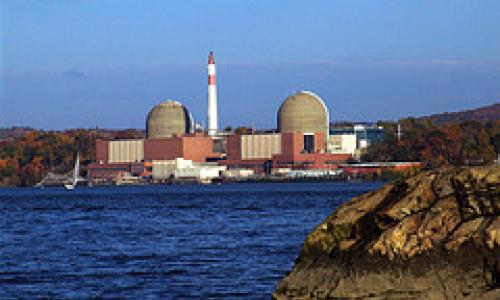
Impacts of a Terrorist Attack at Indian Point Nuclear Power Plant
Since 9/11, the specter of a terrorist attack at the Indian Point nuclear power plant, thirty-five miles upwind from midtown Manhattan, has caused great concern for residents of the New York metropolitan area.
Report
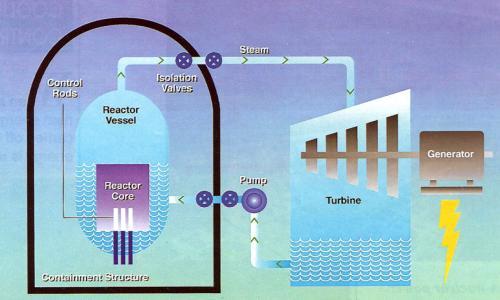
Experimental Power Uprates at Boiling Water Reactors
Extended Power Uprate (EPU) allows aging nuclear plants to operate at power levels up to 20 percent higher than the plant's originally licensed level.
Report
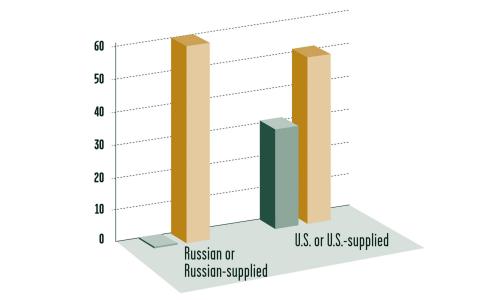
Research Reactors Fueled by Highly Enriched Uranium
Many nuclear facilities fueled with HEU are in academic or industrial settings with inadequate security—attractive targets for terrorists seeking nuclear weapons.
Explainer
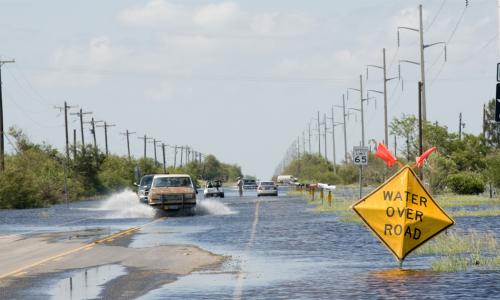
Abrupt Climate Change
"Abrupt climate change" describes changes in climate that occur over the span of years to decades, compared to the human-caused changes in climate that are occurring over the time span of decades to centuries.
Report
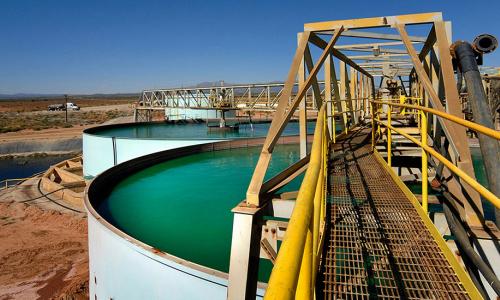
U.S. Nuclear Plants in the 21st Century
The risks for catastrophe change as nuclear reactors age. Protection schemes must evolve to remain correlated with age if the threat level is to be minimized.
Report

Climate Control
California is focusing on the largest source of heat-trapping emissions in the state—motor vehicles.
Report
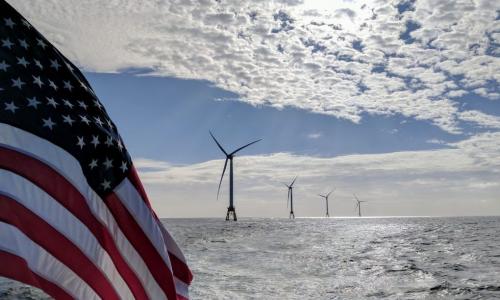
New Energy for America
A plan for jobs, security, and prosperity in the 21st century.
Report

The Diesel Dilemma
Diesel is becoming cleaner, but gasoline vehicles are more cost-effective than diesel for reducing oil use and lowering global warming pollution.