Low- and zero-emissions zones are a policy tool available to cities to improve air quality, reduce congestion, raise revenue, and achieve climate goals.
There are more than 250 of these zones across Europe, but can they work in the United States? This primer explores potential benefits to communities, as well as factors to consider in using zones as a tool to increase racial and economic equity. This document, informed by stakeholder interviews and air quality modeling, is not meant to be prescriptive. Rather it should help policymakers and stakeholders understand and evaluate the utility of low- and zero-emissions zones for their communities and provide considerations toward equitable policymaking should they choose to pursue the opportunity.
On this topic
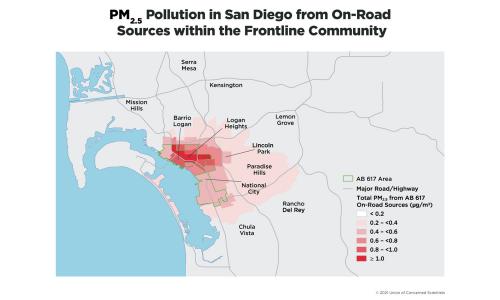
PM2.5 Pollution in San Diego from On-Road Sources within the Frontline Community
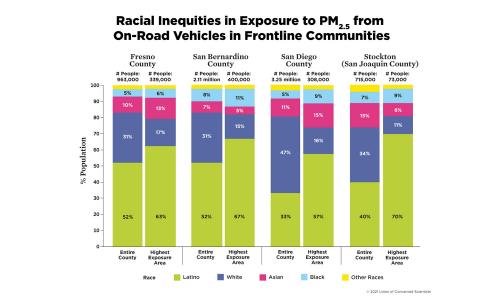
Racial Inequities in Exposure to PM2.5 from On-Road Vehicles in Frontline Communities
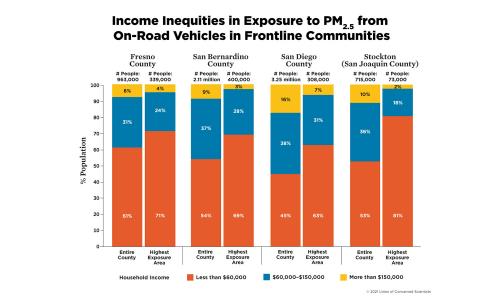
Income Inequities in Exposure to PM2.5 from On-Road Vehicles in Frontline Communities
Downloads
Citation
Aguayo, Leslie, David Reichmuth, Coreen Weintraub. 2021. Low- and Zero-Emissions Zones. Cambridge, MA: Union of Concerned Scientists. https:/www.ucsusa.org/resources/low-and-zero-emissions-zones
Related resources

UCS vs Anti-Science Actions
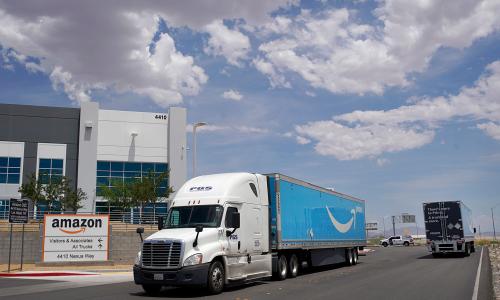
Addressing Freight Pollution at the Source
Self-Driving Cars 101