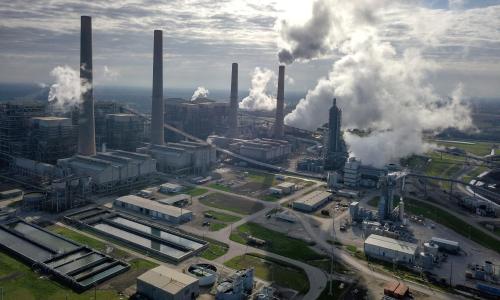
Wildfires threaten watersheds and drinking water. Communities should act.
Across the West, wildfires have grown in both size and severity over the last half century—a trend that is expected to worsen due to climate change. One underappreciated consequence is the impact wildfires have on both the availability and quality of water.
Scientific evidence tells us that wildfires can increase the load of sediments and toxins in rivers and streams. They can heighten the risk of dangerous mudslides and debris flows, and even contaminate drinking water.
For communities dealing with the aftermath of wildfire—and the uncertainties of extended drought—these impacts carry tremendous consequences.
Addressing these risks will require limiting future climate change, managing forests to reduce the severity of wildfires, and increasing the resilience of water infrastructure.
On this topic
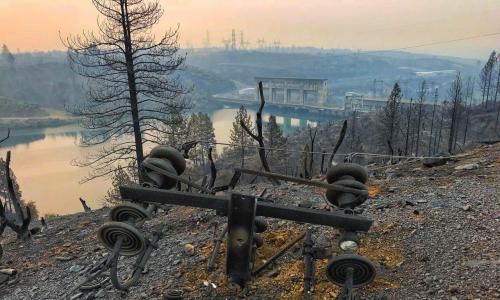
Water, Wildfire, and Climate Change
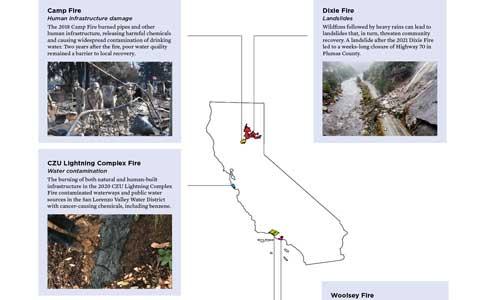
The Impacts of Wildfires in California
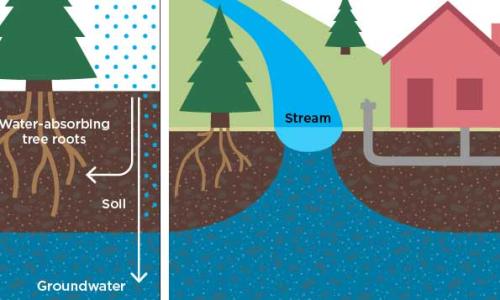
Watersheds, Before and After Wildfire
Downloads
Citation
Phillips, Carly, Kristina Dahl. 2022. Fire and Water in the Western United States: How Worsening Wildfires Threaten Water Resources in the West. Cambridge, MA: Union of Concerned Scientists. http://dx.doi.org/10.47923/2022.14633
Related resources
Carbon Emissions Exacerbating the Western US Water Crisis
Wringing the West Dry
Research Priorities for Climate Litigation