Our scientists and experts produce reports, peer-reviewed papers, interactive tools, and other resources as part of our advocacy. Search or browse our resource library below.
1468 items found
Feature

Community Voices: Science, Democracy and Environmental Justice
How scientists can partner with marginalized communities to work towards justice and equity
Explainer
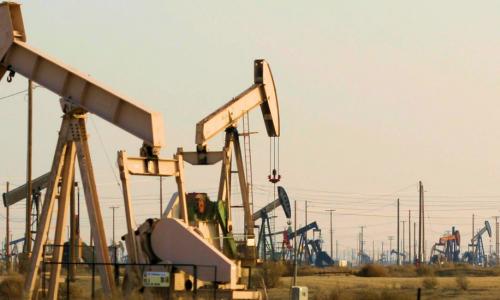
All About Oil
Oil is changing—and its impacts are becoming more severe.
Report
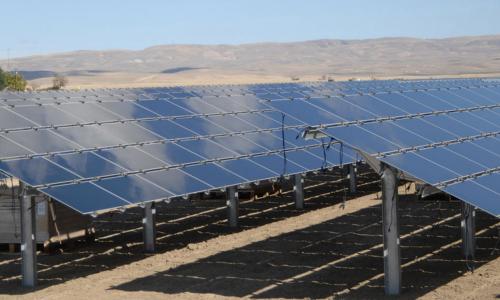
Renewables, Reliability, and Solutions for California's Clean Energy Future
Renewable energy can supply half of California's electricity by 2030. Technologies and improved grid practices are available today to ensure a cost-effective, reliable electricity supply.
Explainer

All About Drivetrains
Drivetrains are the collection of components that deliver power from a vehicle’s engine or motor to the vehicle’s wheels.
Explainer
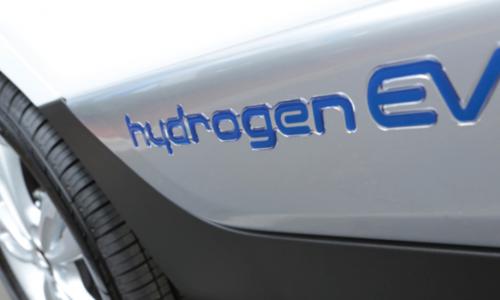
How Do Hydrogen Fuel Cell Vehicles Work?
Fuel cell vehicles use hydrogen to produce electricity, generating less pollution than gas-powered cars and trucks.
Explainer
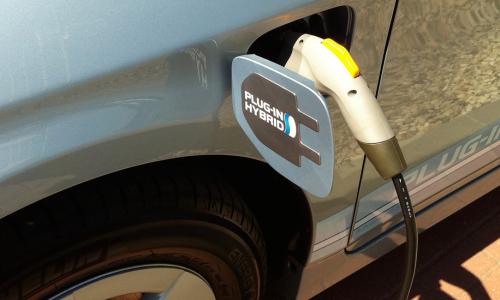
How Do Plug-in Hybrid Electric Cars Work?
Plug-in hybrid electric vehicles combine a gasoline or diesel engine with an electric motor and a large rechargeable battery.
Explainer

How Do Battery Electric Cars Work?
Battery electric cars run exclusively on electricity—cutting air pollution and global warming pollution.
Explainer
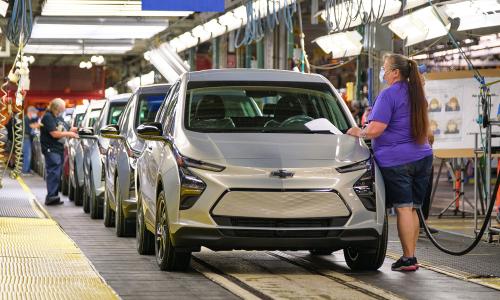
What Are Electric Cars?
Unlike conventional vehicles, electric cars and trucks use a motor powered by batteries or a fuel cell.
Feature
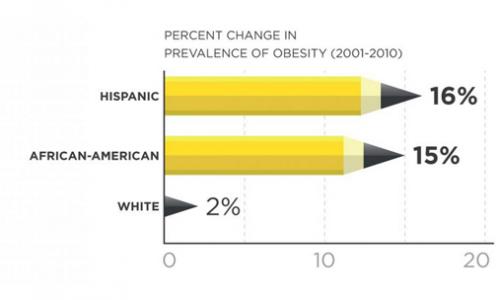
Lessons from the Lunchroom
School lunch programs are helping kids eat better—but they're fighting an uphill battle in an unhealthy food system.
Report

The NRC and Nuclear Power Safety in 2014
Despite an improving safety record, the NRC has improperly withheld safety-related information and unfairly punished whistleblowers, harming the agency’s credibility.
Report

Stormy Seas, Rising Risks
As climate impacts grow more severe, oil refineries face increasing risk. Fossil fuel companies need to disclose these risks to shareholders and the public.
Feature
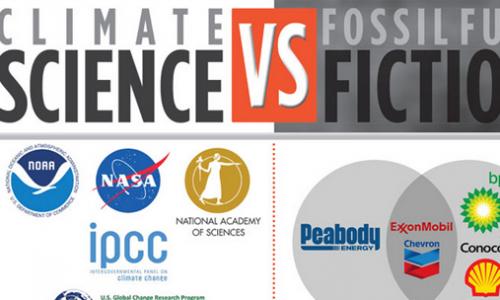
Climate Science vs. Fossil Fuel Fiction
Fossil fuel companies and their lobbying groups have been deceiving the public for nearly 30 years about the facts of global warming. They continue to do so today.