Our scientists and experts produce reports, peer-reviewed papers, interactive tools, and other resources as part of our advocacy. Search or browse our resource library below.
1468 items found
Report

No More Fukushimas; No More Fort Calhouns
Fort Calhoun nuclear power plant was shut down in April 2011 for a routine refueling outage when workers found dozens of serious safety shortcomings.
Report
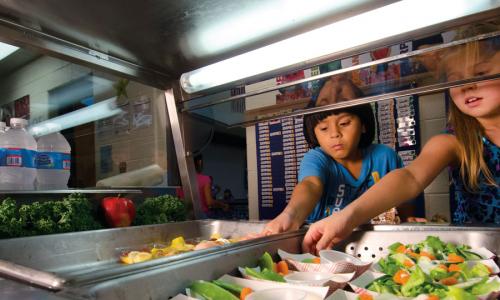
Lessons from the Lunchroom
School lunch programs are helping kids eat healthier—so strengthening these programs is a smart investment.
Explainer

How Energy Storage Works
One of the keys to achieving high levels of renewable energy on the grid is the ability to store electricity and use it at a later time.
Report

Healthy School Meals, Healthy Children
The Healthy, Hunger-Free Kids Act of 2010 was a big step in the right direction—and it's now up for renewal. With kids' health at stake, Congress needs to keep moving forward.
Explainer
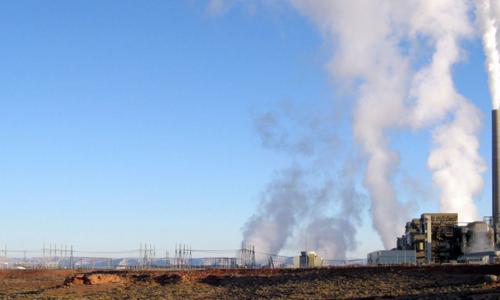
How the Electricity Grid Works
Learn how electricity gets from power plants to your house. An overview of the electricity grid, including its primary components, history, and future opportunities.
Report
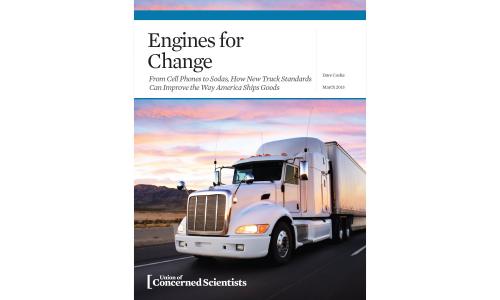
Engines for Change
New standards for heavy-duty trucks could help Walmart, UPS, Coca-Cola, and other major companies use far less fuel—with major benefits for consumers and the climate.
Report
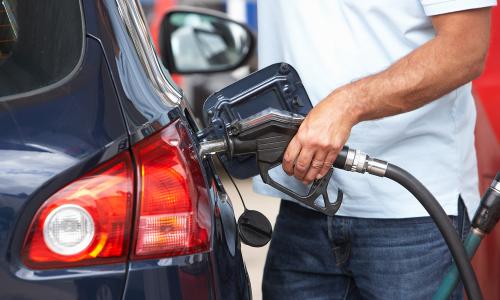
Clean Fuels for Washington
A strong clean fuels standard would help cut Washington’s carbon emissions and establish the state as a transportation leader.
Report
Freedom to Bully
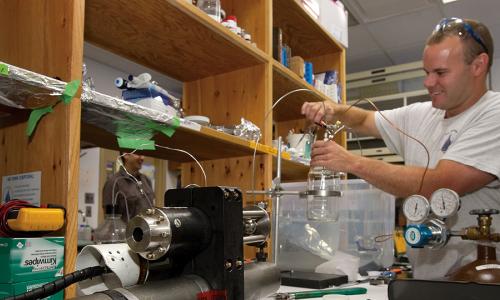
Open records laws are increasingly being used as a weapon against researchers whose work threatens private interests.
Report
Clearing the Air
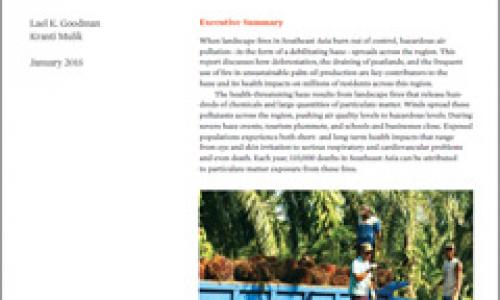
Landscape fires in Southeast Asia take a heavy toll on human health and the economy. Increasing demand for deforestation-free palm oil can help reduce the damage.
Report
Achieving Illinois’s Clean Energy Potential
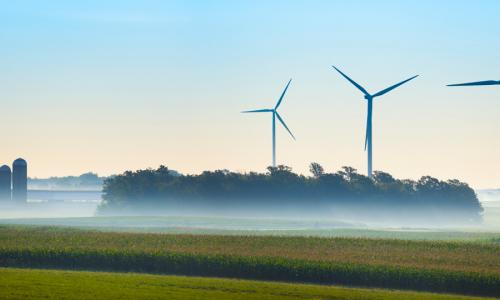
Stronger renewable energy and energy efficiency standards would drive investment, save consumers money, and reduce emissions.
Report

Electric Vehicles and Georgia
Learn more about the benefits of electric cars and trucks in Georgia, including their economic and environmental effects.
Report
Halfway There?
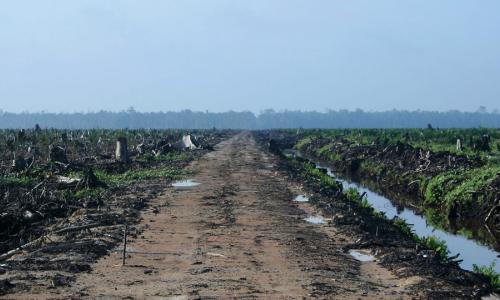
Half or more of emissions reductions needed to keep global temperature rise under 2 degrees could come from land sectors of major emitting countries.