We have an urgent need—and a unique opportunity—to profoundly transform the ways in which people and goods move around in the United States.
A collaborative analysis led by the Union of Concerned Scientists found that using existing technologies, and at modest cost, we can achieve a zero-carbon, equitable transportation system by 2050.
This transformation is made possible by phasing out petroleum and transitioning to low and zero-carbon fuels. This eliminates tailpipe emissions that endanger communities, and at the same time keeps our climate targets within reach. To get there, we need to rapidly electrify vehicle fleets; strengthen efficiency standards for both electric and internal-combustion engine vehicles; reduce emissions from the remaining liquid fuels in hard-to-decarbonize sectors such as aviation, shipping, and long distance road transportation; and enable communities to reduce or eliminate the need to drive.
Achieving these goals will require a suite of forward-thinking policies and regulations at all administrative levels that are implemented with meaningful community engagement.
On this topic
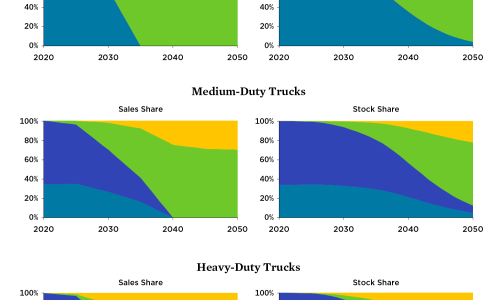
New Vehicle Sales and Stock by Fuel Type for the Core Scenario
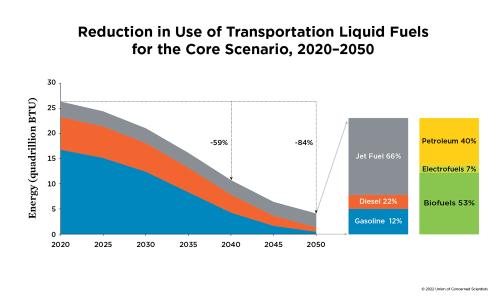
Reduction in Use of Transportation Liquid Fuels for the Core Scenario
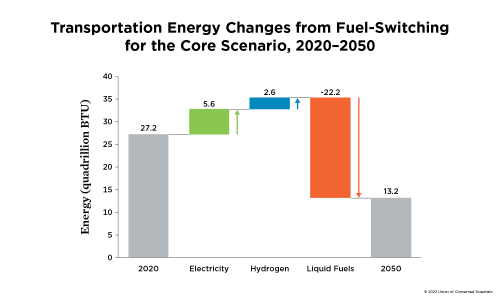
Transportation Energy Changes from Fuel-Switching for the Core Scenario, 2020–2050
Downloads
Citation
Pinto de Moura, Maria Cecilia. 2022. Low Carbon Pathway for Transportation: Ramping up vehicle electrification and phasing out petroleum. Cambridge, MA. Union of Concerned Scientists. https://www.ucsusa.org/resources/low-carbon-pathways-transportation
Related resources

UCS vs Anti-Science Actions
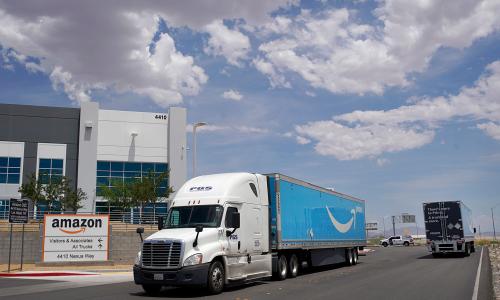
Addressing Freight Pollution at the Source
Self-Driving Cars 101