Tyson Foods, the nation’s largest meat and poultry producer, released hundreds of millions of pounds of pollutants from its slaughterhouses and processing plants into local waterways across the United States between 2018 and 2022.
Water pollutants from Tyson plants pose a risk to people and the environment and include large amounts of nitrogen and phosphorus. These nutrients feed algal blooms that clog water infrastructure, exacerbate asthma and other respiratory conditions, and contribute to dead zones that harm fish, shellfish, and people. Many of these facilities are also located close to federally defined critical habitats for endangered or threatened species.
This analysis adds to a broader critique of Tyson Foods and the impact of this megacorporation on communities, consumers, farmers, and workers. Policymakers can reduce the damage Tyson causes by tightening wastewater pollution standards, better enforcing discharge limits, and cracking down on the corporate consolidation that enables Tyson’s excesses.
On this topic
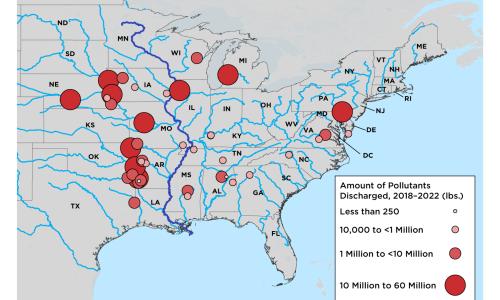
Figure 1: Tyson Pollutant Discharges into Waterways
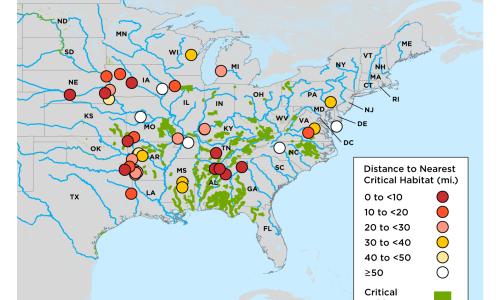
Figure 2: Tyson Plant Proximity to Critical Habitats
Waste Deep Story Map
Related resources

The Town That Chose to Thrive

UCS vs Anti-Science Actions
Less Fertilizer, Better Outcomes